Same product family
Huawei
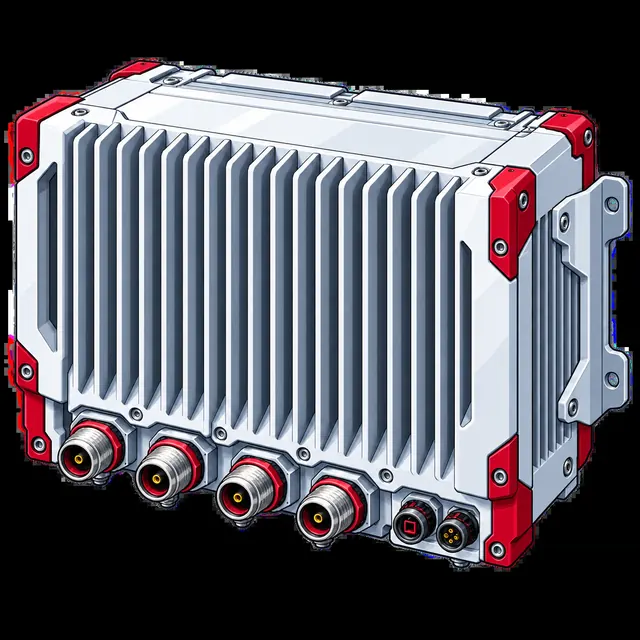
RRU3936
What it does: RF transmission / reception. Operating RF bands / ranges: 850 MHz; 900 MHz (EGSM or PGSM); 1900 MHz; 1800 MHz.
6 part numbers: 02310MNN / 02310MNP / 02310MNQ …
Viewing: model overview
Request a QuoteRequest current availability, condition and pricing. Delivery terms are agreed in the quotation.
Main specifications
Technologies850/900 MHz: GSM, UMTS, LTE FDD and LTE NB-IoT; 1900 MHz: GSM, UMTS and LTE FDD; 1800 MHz: GSM, LTE FDD and LTE NB-IoT (including the multimode combinations listed by Huawei)
Operating RF bands / ranges850 MHz; 900 MHz (EGSM or PGSM); 1900 MHz; 1800 MHz
Uplink frequency850: 824–849 MHz; 900 EGSM: 880–915 MHz; 900 PGSM: 890–915 MHz; 1900: 1850–1910 MHz; 1800: 1710–1785 MHz
Downlink frequency850: 869–894 MHz; 900 EGSM: 925–960 MHz; 900 PGSM: 935–960 MHz; 1900: 1930–1990 MHz; 1800: 1805–1880 MHz
TX / RX modes1T2R
RF output powerRRU3936 (850 MHz): 1 × 80 W; RRU3936 (900 MHz): 1 × 80 W; RRU3936 (1900 MHz): 1 × 80 W; RRU3936 (1800 MHz): 1 × 80 W
Interfaces / connectorsDC power socket; 2 × optical/electrical CPRI; TX/RX A; RX B; RX_IN/OUT inter-RRU RF; EXT_ALM; RET; ALD port capability: ANT_A: RET/TMA; ANT_B: TMA; RET port: RET
Interfaces and data rates2 × CPRI optical/electrical to BBU; TX/RX A; RX B; inter-RRU RF; RET; external alarm (1 × RS485 + 2 × dry contact); DC input; RET antenna control supports AISG 1.1/2.0; 12 V feeding voltage; 2.3 A feeding current
Power supply-48 V DC; voltage range: -36 V DC – -57 V DC
Installation environmentOperating environment: ETSI EN 300019-1-4 V2.1.2 (2003-04) Class 4.1, "Non-weatherprotected locations".
IP ratingIP65
Additional technical information
- Dimensions
- 400 mm x 300 mm x 100 mm (12 L, without the housing)
- Weight
- 14 kg (without the housing)
- Bandwidth
- IBW: 850 25 MHz; 900 EGSM 35 MHz; 900 PGSM 25 MHz; 1900 and 1800: 35 MHz with GSM or 40 MHz without GSM. LTE FDD carrier bandwidth: 1.4, 3, 5, 10, 15 or 20 MHz
- Capacity
- RRU3936 (850 MHz): GSM: 8 carriers UMTS: 6 carriers LTE FDD: 2 carriers. The bandwidth per carrier is 1.4, 3, 5, 10, 15, or 20 MHz. LTE NB-IoT: 1 carrier; RRU3936 (900 MHz): GSM: 8 carriers UMTS: 6 carriers LTE FDD: 2 carriers. The bandwidth per carrier is 1.4, 3, 5, 10, 15, or 20 MHz. LTE NB-IoT: 1 carrier; RRU3936 (1900 MHz): GSM: 8 carriers UMTS: 6 carriers LTE FDD: 2 carriers. The bandwidth per carrier is 1.4, 3, 5, 10, 15, or 20 MHz.; RRU3936 (1800 MHz): GSM: 8 carriers LTE FDD: 2 carriers. The bandwidth per carrier is 1.4, 3, 5, 10, 15, or 20 MHz. LTE NB-IoT: 1 carrier
- Synchronization
- In mode CPRI: clock signal recovery from the incoming line; frame synchronization from REC
- Chassis
- Remote-radio enclosure/form factor; documented dimensions: 400 mm x 300 mm x 100 mm (12 L, without the housing); ingress protection: IP65
- Modules
- Fixed internal high-speed interface unit, signal processing unit, power amplifier, duplexer, extension ports, and power module
- Functional role
- Remote radio unit (RRU)
- Architecture
- DC blade RRU with fixed RF/IF signal-processing, power-amplifier, duplexer and power blocks; two CPRI links to BBU; built-in Bias Tee; optional external AC/DC power module or OPM15M
- Subtype
- Multimode remote radio unit
- Details
- DBS3900 V100R004C00 and later; DBS3900 GSM V100R013C00 and later; DBS3800 WCDMA V100R015C00 and later; DBS3900 WCDMA V200R013C00 and later; DBS3900 LTE V100R005C00 and later
- Installation conditions
- Floor rack IFS06 (indoor)
- Connection notes
- BBU via CPRI
Related equipment
Same product family
Huawei RRU3201
Same product family
Huawei RRU3203
Same product family
Huawei RRU3221
Same product family
Huawei RRU3222
Same product family